How to Identify High-Growth Areas for Property Investment
Investing in property is a smart way to build long-term wealth. But the real success depends on choosing the right location. High-growth areas give better returns through price appreciation and rental income. Below are some easy ways to identify such areas

1. Check Infrastructure Development
Rental income means regular monthly income earned by renting out a property.
Areas with upcoming infrastructure projects usually grow faster. Look for:
- New highways and flyovers
- Metro or railway projects
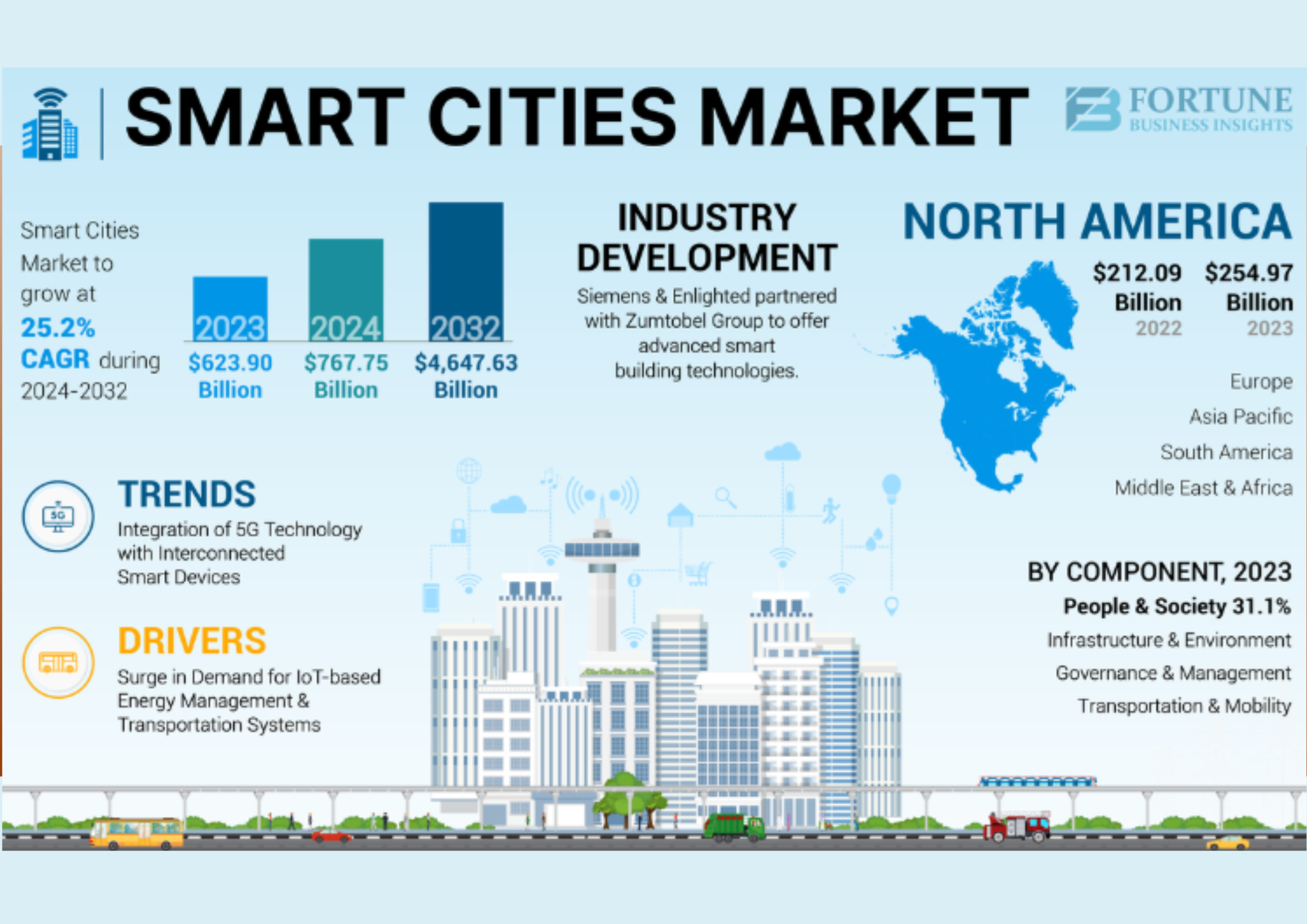
- Airports and smart city plans
Good infrastructure improves connectivity, which increases property demand.
2. Observe Job and Business Growth
Locations near IT parks, industrial hubs, business centers, and SEZs attract working professionals. More jobs mean more people moving in, which raises housing demand and property value.
3. Study Past Price Trends
Check how property prices have changed in the last 3–5 years.
- Consistent price increase = positive growth sign
- Sudden price jump without development = risky area
Past trends help you understand future potential.
4. Look at Population Growth
High-growth areas usually see an increasing population. Migration for jobs, education, or lifestyle indicates rising demand for housing, rentals, and commercial spaces.
5. Analyze Rental Demand
Areas with strong rental demand offer steady income. Look for:
- Nearby colleges and offices
- Hospitals and commercial zones
- Public transport availability
- High rental demand shows that people want to live there.
6. Check Government Plans and Policies
Government-supported development boosts growth. Watch for:
- Smart City projects
- Affordable housing schemes
- Industrial corridor announcements
Official plans often lead to long-term appreciation.
7. Compare Property Prices with Nearby Areas
If one area is cheaper than nearby developed locations but has similar future plans, it may be a high-growth opportunity.
8. Consult Local Experts
Local real estate agents, builders, and residents provide valuable ground-level information about future development and demand.
9. Evaluate Social Infrastructure
High-growth areas have good:
- Schools and colleges
- Hospitals and clinics
- Shopping centers and parks
These facilities improve lifestyle and increase property value.
10. Check Legal and Title Clarity
Even a fast-growing area is risky if legal documents are unclear. Always verify approvals, land titles, and zoning regulations before investing.
Final Thoughts
Identifying high-growth property areas requires research, patience, and smart analysis. Focus on infrastructure, job growth, rental demand, and government plans. A well-chosen location can give strong returns and long-term security.